

The New Brunswick government says provincial veterinary services will move to the private sector following its decision to cut funding for the program.
St. George Veterinary Clinic Dr. Melanie Eagan said the cuts means there will be no veterinary service for rural livestock or large animals owners unless they have a relationship with someone in private practice — which she said are few and far between.
“And most (if not all) of the large animal vets that are in private practice are not taking on new clients,” she said speaking to The Courier. “So if you have large animals and there’s an emergency, there is no one to help.”
Eagan said instead of getting treatment, a lot of animals may die.
“Difficult births, broken legs, horses with colic, bad infections, bad lacerations, infected, broken teeth, diseases — no veterinary care for any of these things will lead to suffering and death,” she said. “We rely on large animal vets to monitor diseases and the health of our herds which leads to our food supply.”
Eagan said the provincial laboratory also checks for infectious diseases in animals, including rabies and avian flu.
“A lot of vets do not go into large animal practice because it’s a tough job,” she said. “Being on call, lots of driving from farm to farm, cold nights in barns trying to do surgery or help deliver a calf or colt.”
She said the government suggesting that private practice can make up for the loss is “delusional.”
“Small animal veterinary clinics are not equipped to deal with large animals, and don’t have the extra staff to send out on the road. It’s also not cost effective,” she said. “There’s already a shortage of vets in the province — large and small animal vets. This decision by the government is going to cost animals’ their lives and farmers’ livelihood.”
Many others have taken to social media to express disappointment in the province’s decision. A petition on Change.org has amassed more than 14,000 signatures.
The Holt government said on Tuesday it would phase out the service over three fiscal years. On Thursday, it released a statement saying it understood that the transition was upsetting for employees and clients who are affected.
“We want to be clear that the transition of these services will occur gradually over the next three fiscal years,” the statement from Agriculture, Aquaculture and Fisheries Minister (AAF) Pat Finnigan.
“Currently, New Brunswick is one of only two provinces still operating government-funded veterinary services,” Finnigan said.
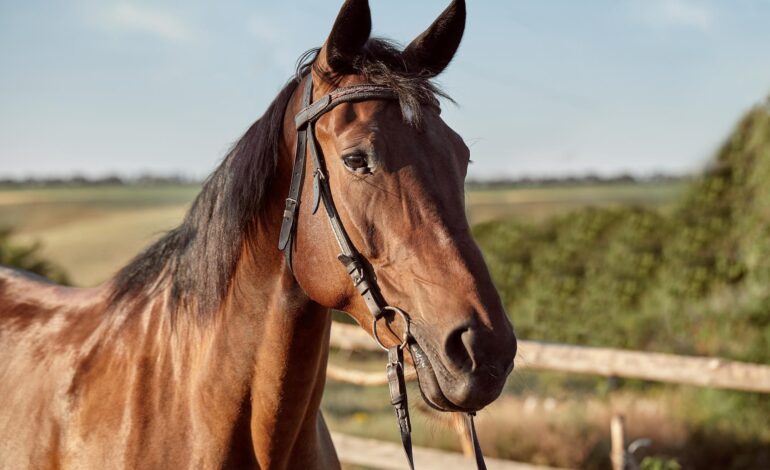
He said in the statement that 54 per cent of services are being provided to horses, 19 per cent to hobby farms and companion animals, with only 27 per cent focused on commercial livestock such as dairy, beef, and poultry.
“The costs of delivering these services are significant to the taxpayers of New Brunswick,” he said. “By transitioning these functions into the private sector, we can allow the private clinics and veterinarians to provide more responsive and flexible services to our agricultural community, just like every other jurisdiction in Canada apart from Newfoundland and Labrador.”
According to the AAF, for the 2025-2026 year, the program cost $4.06 million.
It said it met with stakeholders on Tuesday to walk them through its decision.
The department is expected to implement the following measures as the transition gets underway:
- Supporting provincial veterinarians with transitioning resources and business development supports to set up their own practice or join an existing private veterinarian clinic.
- Facilitating and transitioning efforts to empower private sector veterinarians and clinics to establish and expand service availability across New Brunswick.
- Developing a private veterinarian registry program to support and address service gaps in the core livestock sectors in underserved areas.
- Facilitating the transfer of laboratory functions, ensuring continuity of diagnostic services and pharmaceutical access.
- Maintaining the chief veterinary officer position to ensure continued oversight of disease management and animal welfare functions in collaboration with the New Brunswick Society for the Prevention of Cruelty to Animals and the federal government.
“Our government is not removing support for the agriculture industry. We are aligning with our neighbours and moving to a more sustainable model for veterinary care in the province,” Finnigan.