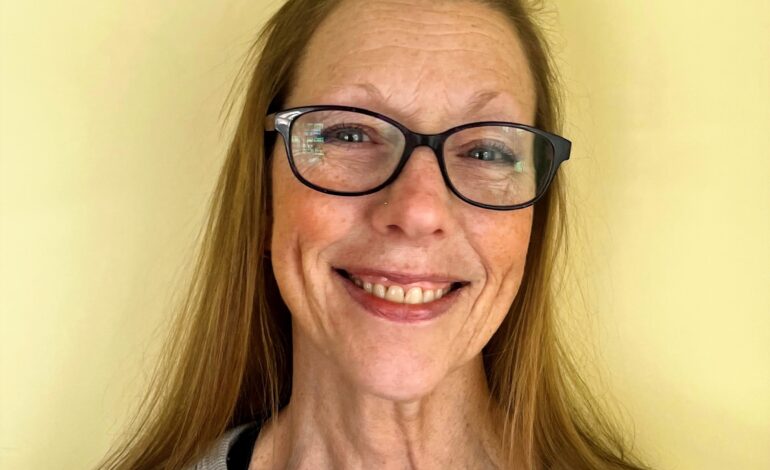



Municipal District of St. Stephen Mayoral Candidate: Mark Groleau
1. What is your vision for the municipality over the next four years, and how will you measure success?
In St. Stephen, we’ve been going along without a clear vision. My vision is simple: a municipality where people trust their council, understand our plan, and feel proud to call St. Stephen home.
That starts with developing a strategic plan in the first year and working with council to deliver on it. The priorities are straightforward: more housing for all income levels, a stronger and more active downtown, a busy hotel, reliable roads and water systems, and a community where people feel safe and want to stay.
It also means improving how council operates, making it easier for residents to provide comment, access documents, and understand decisions.
Success can’t be abstract. We measure it in real terms: housing units added, roads paved, water systems improved, downtown vacancies reduced, and visible and felt improvements to public safety. That’s what great service for a great municipality looks like.
2. How will you balance fiscal responsibility with maintaining and improving municipal services?
We’re not choosing between fiscal responsibility and maintaining strong services. A good council does both.
As of last audit, St. Stephen has about $7.5 million in financial assets and just over $10 million in liabilities, so we’re in a modest net debt position. We’ve also invested over $55 million into roads, water systems, and other infrastructure over our history, and we’re preparing to borrow about $5 million for road resurfacing. That tells us we have strong assets, but we need to manage cash, debt, and replacement costs carefully.
Recently, our financial position has improved, so we’re moving in the right direction. At the same time, standing still isn’t an option. Residents expect safety, reliable water, progress on housing, and a more active downtown.
My approach is to stay disciplined, take care of what we’ve built, and make targeted investments that improve our services while protecting long-term stability.
3. What is your strategy for long-term infrastructure planning and funding?
Infrastructure planning has been lacking in St. Stephen over the years, and it shows in the condition of our roads and water systems. A core responsibility of municipal government is to know what needs to be replaced, when, and what it will cost. Infrastructure must be planned years in advance, not patched year to year, and funding must be set aside annually for the future.
My commitment is to build and maintain a strong asset management plan tied to a clear capital plan that prioritizes roads, water, and critical infrastructure. With that foundation, St. Stephen can align projects with available funding and make full use of provincial and federal programs.
Council will need to communicate this clearly through the mayor. Residents should know what’s being fixed, when, and why; because infrastructure is one of the biggest drivers of both cost and quality of life in our community.
4. Many communities are experiencing population changes. How will your leadership address workforce retention and attract new residents?
Many communities are desperate to attract people. In St. Stephen, we don’t have that problem: people already want to come here, and younger people want to stay. I know that firsthand–I chose to move here and build my life here.
The challenge is keeping up with demand. I describe it as a housing loop: housing leads to more people, people support local businesses, businesses create jobs and activity, and that growth drives demand for more housing.
If we don’t have enough housing, that loop stalls. So, the priority is clear: support new housing at different price points and remove regulations that slow projects down.
At the same time, we continue to build up a community people want to be part of–a strong downtown, reliable infrastructure, and a place where people feel safe and connected. That’s what turns interest into long-term growth.
5. Describe a difficult decision you’ve made in a leadership role. How will that experience inform your approach as mayor?
Since 2018, I’ve been building a global business based right here in St. Stephen. That’s meant making decisions where the path forward isn’t always clear and the stakes are real.
In 2023, I noticed changes in my market and customer demand. Training and courses were no longer enough–customers wanted tools that did the work. That led to a difficult decision. I chose to invest over $30,000 and a full year of development into building a software product, knowing there were no guarantees it would succeed. It was a calculated decision, based on real shifts and acting early.
That decision has paid off for customers and given my business new life.
I bring that approach to all my work: looking ahead, not simply reacting. As mayor, that means making informed decisions, working with council, and keeping residents informed so we can plan ahead, act early, and follow through.
6. Why should voters trust you to lead the municipality at this time?
Anyone running for mayor will say they love this community–and I do. I chose St. Stephen over anywhere in Canada. I’m raising my family here, running my business here, and this is where my wife and I will spend our lives. I bring team leadership experience and a background in communications.
What qualifies me most, though, is the time I’ve taken to understand how our municipal government actually works–and to be open about it. What St. Stephen needs right now is renewed trust in how decisions are made.
For the past two years, I’ve attended council meetings regularly. In recent months, I’ve been creating daily public videos breaking down budgets, governance, and decisions so residents can understand and weigh in.
That’s the leadership I bring: informed, transparent, forward-looking, focused on setting clear goals and getting them done. That’s how we build up St. Stephen for everyone.
Each candidate was provided with the same six questions and equal limits on response length and time. Candidates who did not have publicly available contact information through Elections New Brunswick were required to contact The Courier in accordance with its Municipal Election Coverage Fairness Policy. Candidates who did not respond or declined to participate are noted. Failure to participate will not result in additional coverage elsewhere in the newspaper.