

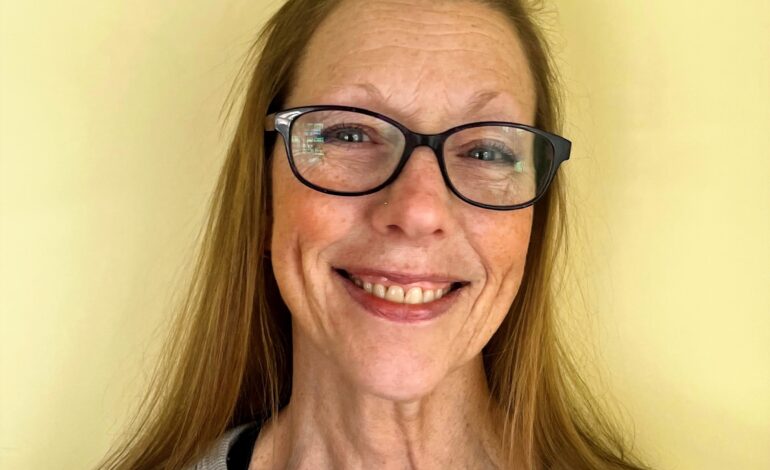
Municipal District of St. Stephen Ward 1 Candidate: Chandra Best
1. As candidates, what would be your key priorities over the next four years in your community?
My five priorities would guide how I approach every municipal decision. First, keeping life affordable by spending carefully, making clear choices, and respecting what residents can afford. Second, being clear and transparent by explaining decisions plainly, sharing information openly, and answering questions directly. Third, making sure rural voices are heard early and properly considered before decisions are made. Fourth, supporting growth at a manageable pace so it fits our roads, water systems, services, and budget. Fifth, addressing challenges realistically and with compassion, including difficult issues like homelessness, by listening carefully, speaking respectfully, and working with others. Together, these priorities reflect the kind of council member I would be: practical, prepared, and focused on careful decisions that serve the whole community.
2. How would you achieve those priorities within your mandate?
My priorities would guide my questions, my vote, and how I work with residents and council members. Within council’s role, that means staying focused on what council can influence, asking careful questions about spending, infrastructure, service levels, and long-term impacts, and paying attention not just to decisions, but to how they are carried out. I would keep tax pressures in mind, support growth that strengthens the tax base without overloading services, and support practical steps the municipality controls to help good projects move forward. I would make sure rural perspectives are brought forward, while recognizing that council decisions affect the entire community. I would stay in touch with constituents through ongoing communication, including rural town hall meetings, so people feel informed and heard. Council cannot solve every issue directly, but it can make thoughtful decisions, set priorities, advocate responsibly, and explain what is being considered and why.
3. How will you ensure transparency and accountability in council decisions and communication with residents?
Transparency and accountability start with asking the right questions before decisions are made. I would push for clear explanations during council meetings so residents can better understand the reasons, costs, and trade-offs behind decisions. I would support stronger opportunities for public input, including improving the public comment process and bringing committees back where they would help involve residents more meaningfully. I also believe council members have a responsibility to report back, answer questions, and communicate in plain language after decisions are made, not just before. Local government should present information clearly, make it easy to access, and ensure residents can get answers when they need them. Communication also needs to reach people where they are, not only through the channels council prefers. Residents deserve openness, responsiveness, follow-through, and accountability, including honesty when something should have been handled better.
4. What is your approach to managing growth and development while preserving the character of the community?
Growth should be a balanced mix that makes sense, including small business, local services, housing that fits our needs, and other growth where it is a good fit. The municipality should work constructively with developers and businesses to help good projects move forward responsibly. Growth should be guided, but not in a way that leaves people feeling shut out or overcontrolled. Many residents, especially in rural areas, feel plans and by-laws affect the use of their property. I would work with residents, be open to reviewing policies and by-laws, improve clarity, and make sure people have a clear path to ask questions and seek solutions. Preserving the character of both our rural areas and town is important, but so is respecting how people live and use their property. We need planning that is thoughtful, practical, and grounded in the realities of this community.
5. What is your position on property taxes, and how would you balance affordability with maintaining services?
Property taxes are the municipality’s main source of revenue, so council has a responsibility to manage that carefully. I believe residents should see value for what they pay, and rural residents should not pay for services they do not receive. Balancing affordability with services is not just about keeping taxes low. It means asking hard questions about spending, finding efficiencies, reviewing service levels honestly, and being open about trade-offs and long-term costs. It also means supporting sensible growth that strengthens the tax base over time rather than placing more pressure on existing taxpayers. I would advocate for changes to the property tax system and assessment process, and for other municipal revenue tools. Affordability matters, but so do the services people rely on. My goal is careful, responsible decision-making that protects both.
6. Why are you the best candidate to represent your ward, and what experience do you bring to the role?
I bring preparation, judgement, collaboration, and a strong sense of responsibility to this role. I spent 35 years in public service, including senior roles in the Ontario government, where I worked in service delivery, service improvement, planning, analysis, and operational decision-making. That experience taught me how public decisions are made, why process matters, and how important accountability and clear communication are. Since choosing rural St. Stephen as my home, I have spent the past four years learning about municipal government by reading agendas, budgets, and by-laws, attending Council meetings, and helping residents understand local issues. I have also been involved locally through the Local Service District Advisory Committee and now the Rural Ward Committee. I am not running on big promises. I am offering careful judgement, a calm collaborative approach, a commitment to helping residents be informed early, and a focus on following through once decisions are made.
Each candidate was provided with the same six questions and equal limits on response length and time. Candidates who did not have publicly available contact information through Elections New Brunswick were required to contact The Courier in accordance with its Municipal Election Coverage Fairness Policy. Candidates who did not respond or declined to participate are noted. Failure to participate will not result in additional coverage elsewhere in the newspaper.