


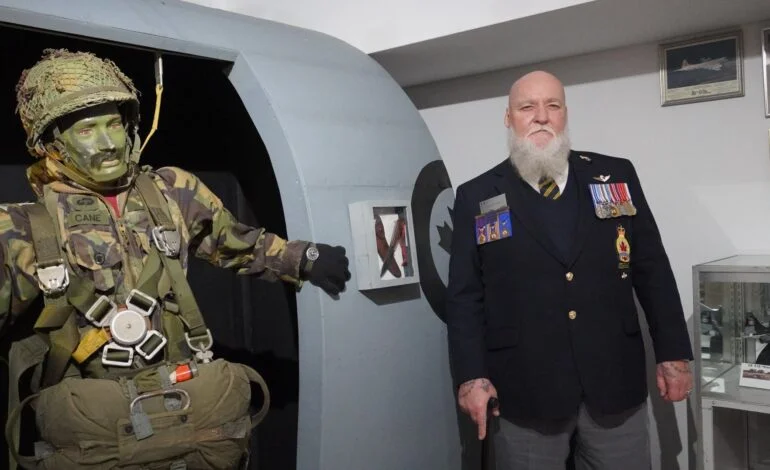
Paul “Trapper” Cane stands before a mannequin version of himself suspended out of a Canadian military plane, strapped head-to-toe in 24 hours’ worth of supplies, moments before he’s about to make a death-defying fall.
On his descent as a paratrooper, he remembers being hit with incredible force. It was another soldier, and Cane was caught in a canopy. Cane said he pulled out the knife he had always carried with him and started sawing at the ropes to free himself.
“You can bend a lot of laws, but you can’t bend the law of gravity,” he said. “One day, I went to work and I was under a canopy. I had a mid-air collision with another jumper.”
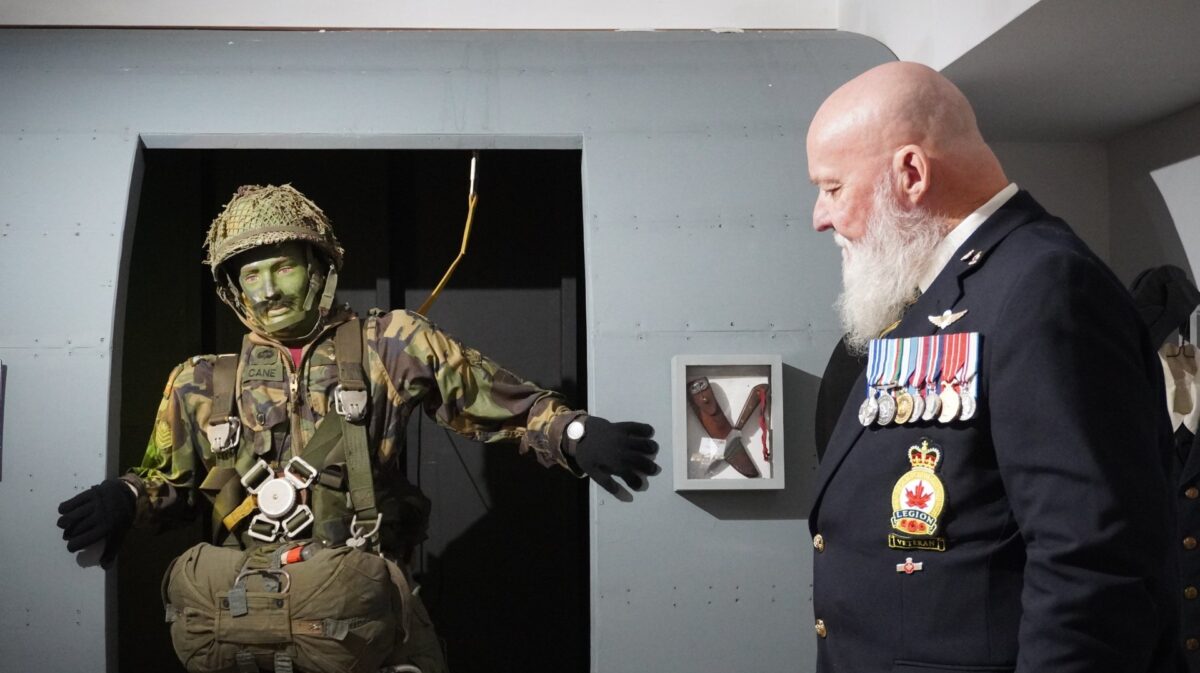
Cane said he hit the ground, shattering his spine in two places, both his knees and both of his feet.
He said he had fallen 180 feet (54 metres) and the ground was frozen on that cold day in early November. He was transported to the National Defence Medical Centre, where he underwent 19 surgeries and began the lifelong journey of rehabilitation.
It is one of many stories held inside the St. Croix Branch No. 9 Royal Canadian Legion Military Museum.
What started as a room filled with a few pool tables, dart boards and lots of dust is now a curated time capsule of the men and women of this region who sacrificed and who triumphed.
“Fifteen per cent of Charlotte County, this town, St. Stephen served in the military,” Cane said. “Except today, the youth don’t quite understand what that sacrifice meant.”
The members of the legion took all the artifacts that had been collected and donated over time and came up with a plan.
“We laid drywall and painted the entire facility, got heavy security in here, got humidity control, and we came back and took training,” Cane said. “I’m a trained archivist through the Canadian Armed Forces.”
Cane said it is a living museum and should never close, noting he thinks Canada would like to avoid entering conflicts in areas like Iran, Ukraine and Korea.
“We don’t want to expand that far, but if it ever happens, we’re ready and we’re going to tell the stories of the citizens of this community,” he said.
As Cane walks through the museum, he knows the intimate details of almost every display. His voice carries through the museum as he explains the different eras and the artifacts.
He said he used motorcycles as a therapy tool.
“Because of everything I’ve been through in the military, as hard as it could be, it prepared me for what eventually came and I got through it in such a way that I was able to get the equipment they took off my body that day, bring [sic] here to the museum, but we can tell that story [alongside] all these other stories,” he said.
Cane said he wants youth to understand if they commit to serve in any branch of the military, there is a support network.
“I tell the little ones, I tell the older ones, if everything goes wrong, don’t worry, there is a whole network of love and support there that’s going to be there for you; if you get sick, injured, we’ve got you covered,” he said.
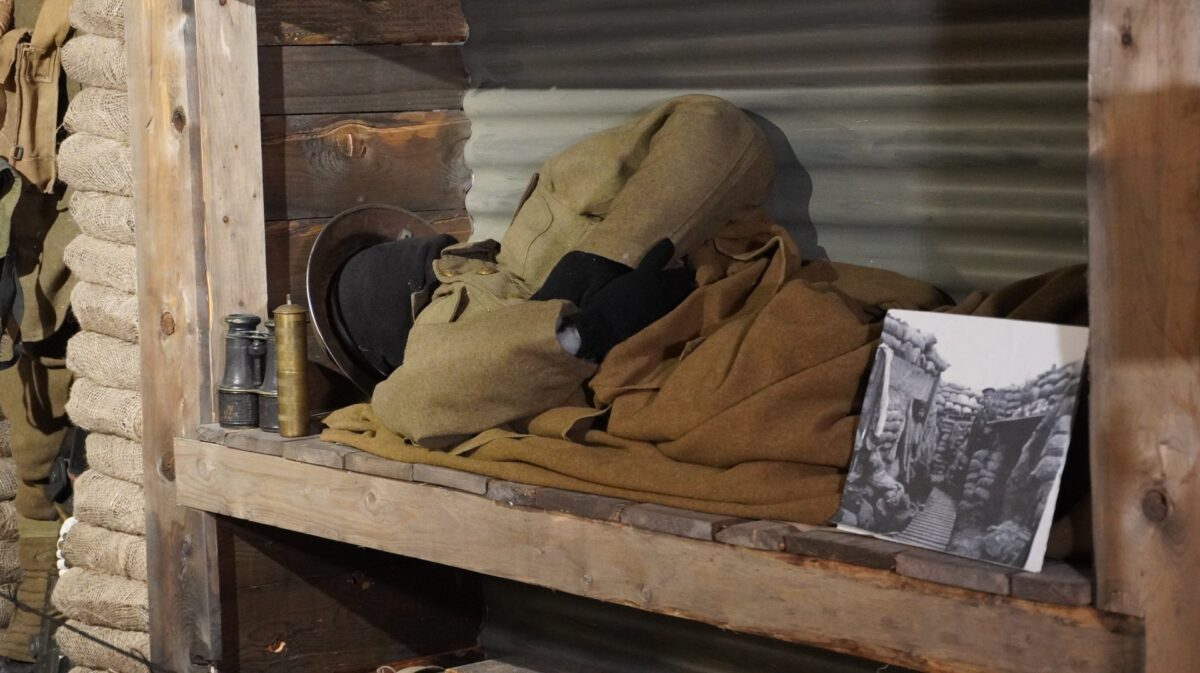
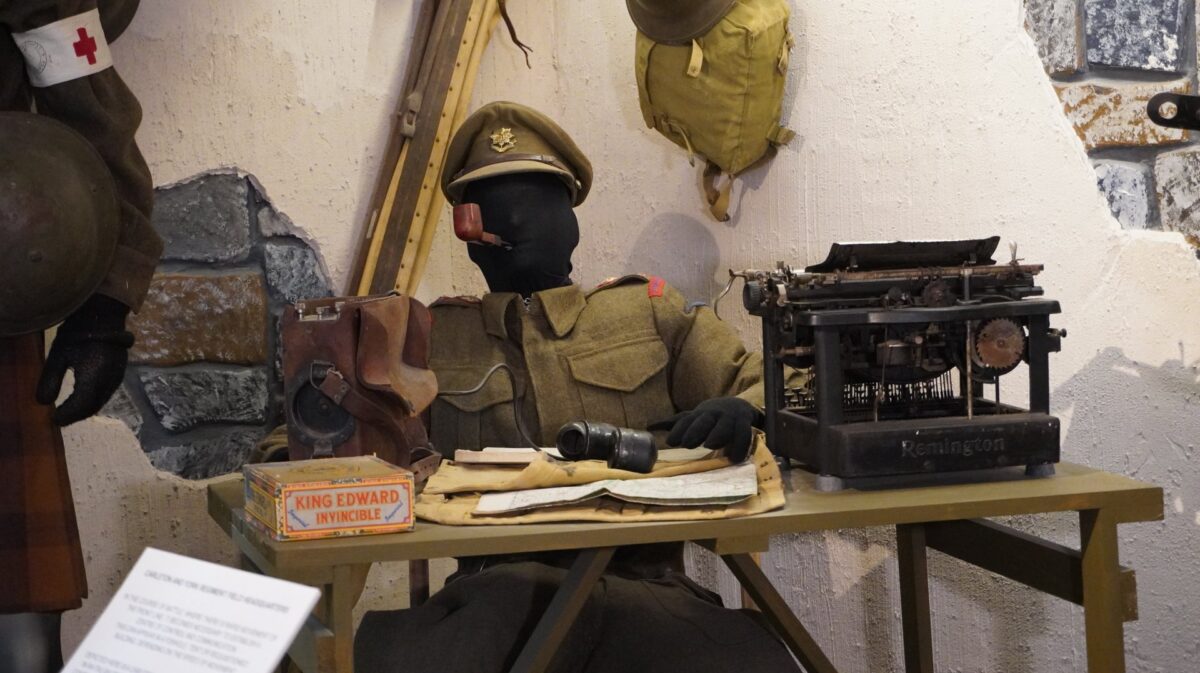
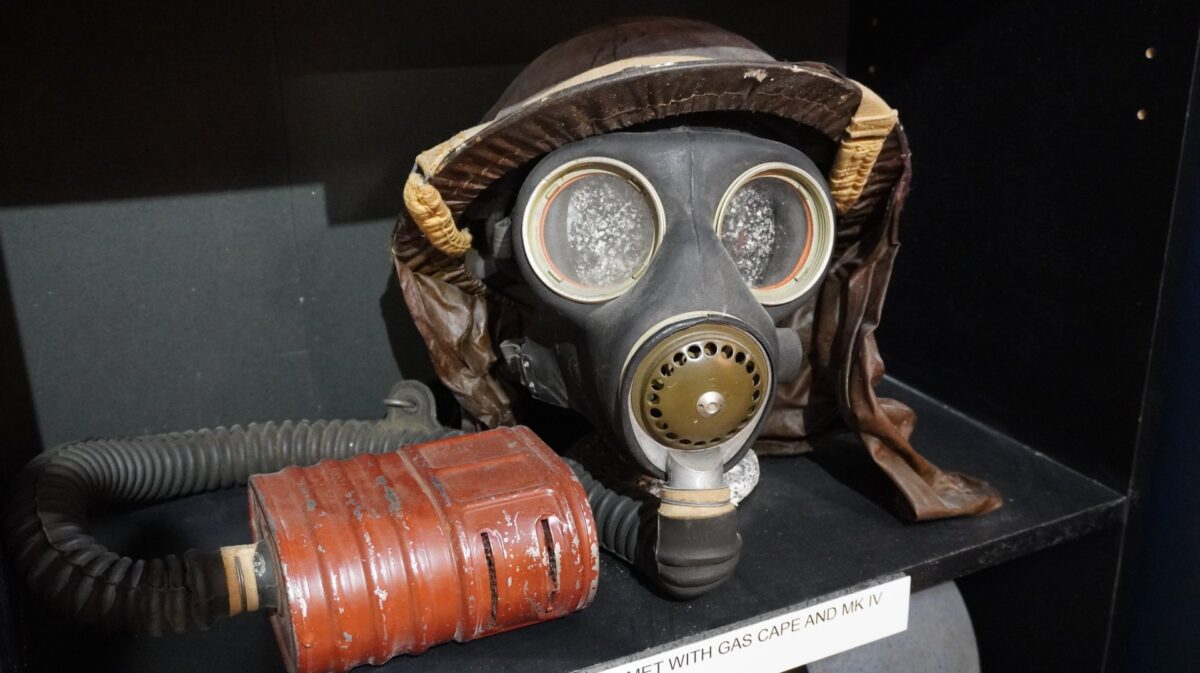
Among the displays are trenches from the Second World War, coveted medals of service that were once stored away for safekeeping, artillery shells, decommissioned guns and grenades through the generations, nursing uniforms and model planes from the years of aviation through the Canadian military.
It’s also a reminder of those who are no longer with us. Several memorials are placed throughout the museum.
In a display of modern-era warfare stands Earle Eastman’s uniform. Eastman was a Master Warrant Officer in the Canadian Armed Forces, serving two separate tours in Cyprus and tours in Croatia, Bosnia, Eritrea and Afghanistan.
His name is etched on a tag in both English and Arabic. His life of service did not end with the military. He was invested in helping other veterans and served as a municipal councillor for St. Stephen.
The uniform, alongside so many other artifacts, is a reminder that history is not really that long ago. Cane said that is a big part of why the museum exists.
To remember and remind, he said.
“This museum teaches us that, even though this world is crazy, and there are things going on around us, don’t worry, we’re going to handle it; we’ll get through this,” Cane said.