

Many film critics believe Steven Spielberg’s new blockbuster Disclosure Day is too naively optimistic for the cynical times we live in. I disagree. I believe we need to challenge our cynical culture in any way we can and Spielberg is the perfect person to do it. So why, then, is the St. Andrews Film Society showing a classic film noir, a genre steeped in cynicism, in July?
Before I look at The Third Man, let me offer a brief summary of the characteristics of the film noir genre, which had its classic period in the 1940s and 1950s. Usually shot in cities at night and featuring the dark, gritty underbelly of city life, with its corruption, greed, and yes, cynicism —film noirs are feel-bad movies, black-and-white suspense dramas full of shadows and low-key lighting. I can understand if that doesn’t sound appealing, but many film noirs are among my favourite films of all time, and I believe The Third Man (my favourite film noir), with all its cynicism, is actually an antidote for our cynical times.
Made in 1949, The Third Man is the result of a series of happy accidents that brought together the perfect actors, writer, director, cinematographer and musician to produce what the British Film Institute voted “the greatest British film of all time.”
The Third Man stars Joseph Cotten as Holly Martins, an American writer investigating the death of his friend, Harry Lime (Orson Welles), while becoming infatuated with Harry’s girlfriend (Alida Valli). Filmed in postwar Vienna, the gorgeous, unique and atmospheric black-and-white cinematography won an Academy Award for Robert Krasker, who was aided by the film’s director, Carol Reed. The amazing score was written by Anton Karas. Reed discovered Karas playing for tips in a Vienna tavern. A zither-player with no formal music training, Karas wrote a score that topped the international music charts in 1950. The haunting screenplay was the work of Graham Greene, one of the greatest novelists of the 20th century. As for the actors, whose performances were flawless, it’s almost impossible to imagine anyone else in these iconic roles.
Full of twists and turns, dark humour, thoughtful drama, solid character development, sharp dialogue, atmospheric suspense, and even some romance and action, The Third Man is universally regarded as a masterpiece. It was a huge hit in the UK and won the Palme d’Or at the Cannes Film Festival. So why have so few people today even heard of it, let alone watched it? Is it because it’s a black-and-white, dialogue-driven, morally complex feel-bad film? Or is it because it’s an old classic far removed from ‘Hollywood’ and thus rarely found its way onto the small screen, even before streaming?
Indeed, the film was considered so unlikely to attract audiences in the US that producer David O. Selznick insisted on making changes to the U.S. release, cutting 11 minutes from the film to quicken the pace and trim some of the cynical dialogue.
It’s precisely that cynical dialogue which I believe acts as an antidote to the cynicism of our times. By exposing the dangers of the cynical views of its underworld characters, it helps us expose the cynical views we often hear from politicians and social media and mainstream media. And by providing a protagonist who struggles with and confronts those cynical views, The Third Man clearly rejects cynical attitudes and suggests we need to stand up against them, just like Spielberg’s film.
Master film critic Roger Ebert wrote: “Of all the movies I have seen, [The Third Man] most completely embodies the romance of going to the movies.” Don’t miss this unique chance to watch the original British version on the big screen.
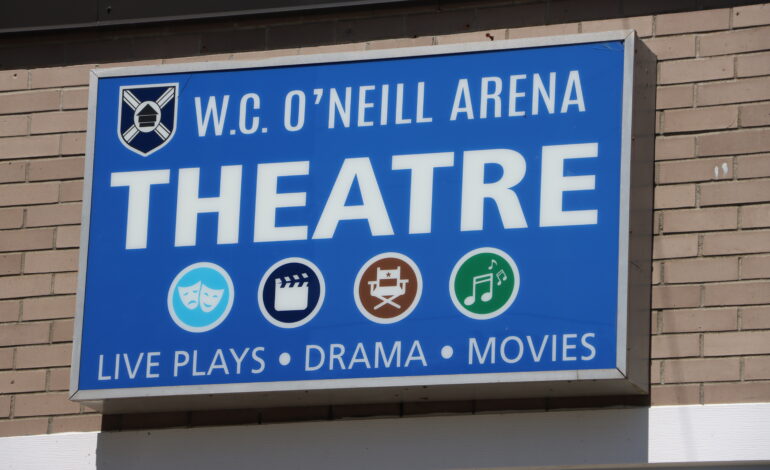
Sunday, July 12, at 7 p.m., W.C. O’Neill Arena Theatre.
 Vic Thiessen has worked as a film critic and as a lecturer on film. He currently serves as the coordinator of the St. Andrews Film Society (a volunteer position).