


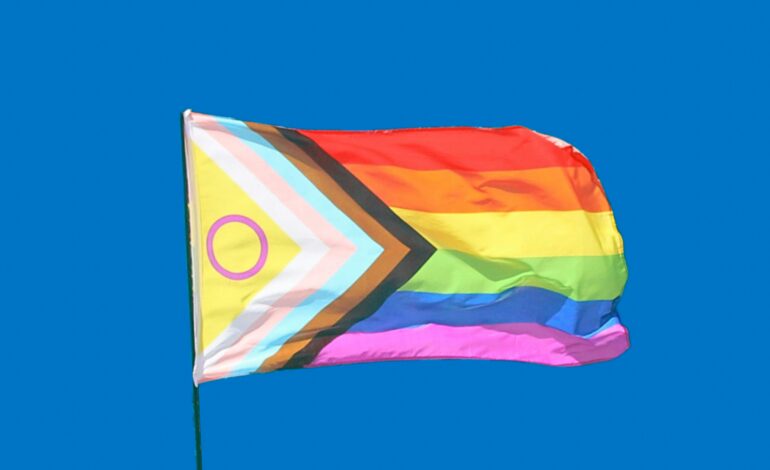
The New Brunswick Transgender Health Network (NBTHN) said the provincial budget has failed to address existing gaps in gender affirming care, including a stand-alone clinic.
“New Brunswick is the only province in Atlantic Canada without a gender-affirming care clinic,” the release from the network said. “After years of attacks on trans rights under the previous government, trans New Brunswickers and allies continue to hope for repair and protection.”
It said more than 300 New Brunswickers had written in support of the network’s call to action.
Lee Thomas is a member of the NBTHN.
“I was surprised and definitely disappointed,” they said. “The gender affirming care clinic ask was such a very small percentage of overall health-care spending, and I know it would have made such a massive difference to clients and also to professionals.”
The network said it would have accounted for 0.4 per cent of the overall health care budget.
Thomas said there are often a lot of challenges with referrals for patients requiring gender-affirming care. A centralized location, they explained, would make the process much easier.
“I think this clinic would have cost the government very little, but not having it costs New Brunswickers a lot,” Thomas said.
Thomas said a part of the disappointment is that there was a belief this government would be different, noting campaign promises to improve billing processes and wait times for gender-affirming care.
“We’re seeing more posts on social media supporting trans people,” they said. “But that doesn’t actually make healthcare more accessible for them.”
Thomas said they believe there is a lack of political will to move forward on this promise.
But more than that, they said this will have detrimental effects on the mental and physical health of gender-diverse and transgender New Brunswickers.
“When they’re not able to access healthcare, they’re not able to participate in society as much and that’s a huge loss for everyone,” they said.
Dr. Kathleen Taylor, a physician with the NBTHN, told The Courier previously that wait times are discussed in terms of years for gender-affirming care.
“Gender-affirming care is life-saving primary health care,” Taylor said in the release. “The absence of any targeted investment means people in New Brunswick will continue to navigate a fragmented and inconsistent system, often without clear entry points or timely access to care, which we know results in poorer mental and physical health outcomes.”
For Thomas, it comes down to the impact.
“Whether it’s healthcare providers or mental health providers, it’s hard to watch our clients be victimized by the system that’s supposed to be providing them with care,” they said.
The Department of Health said in a statement to The Courier that the government recognizes “that gender-affirming care is an important part of a respectful and inclusive health-care system.”
It did not respond to specific questions around timelines or resolving billing issues for the 2SLGBTQIA+ community.
“The Department of Health is working with the regional health authorities to identify opportunities to enhance access to gender-affirming care within their operational budgets.”