

In grade six, my school held a storytelling contest in the gymnasium. I performed Franklin’s Blanket, a beloved tale about a young turtle who can’t find his favourite blue blanket.
Decades later, my husband and I find comfort in reading that book and other timeless favourites to our three young children. Our hearts fill with nostalgia as we create new memories.
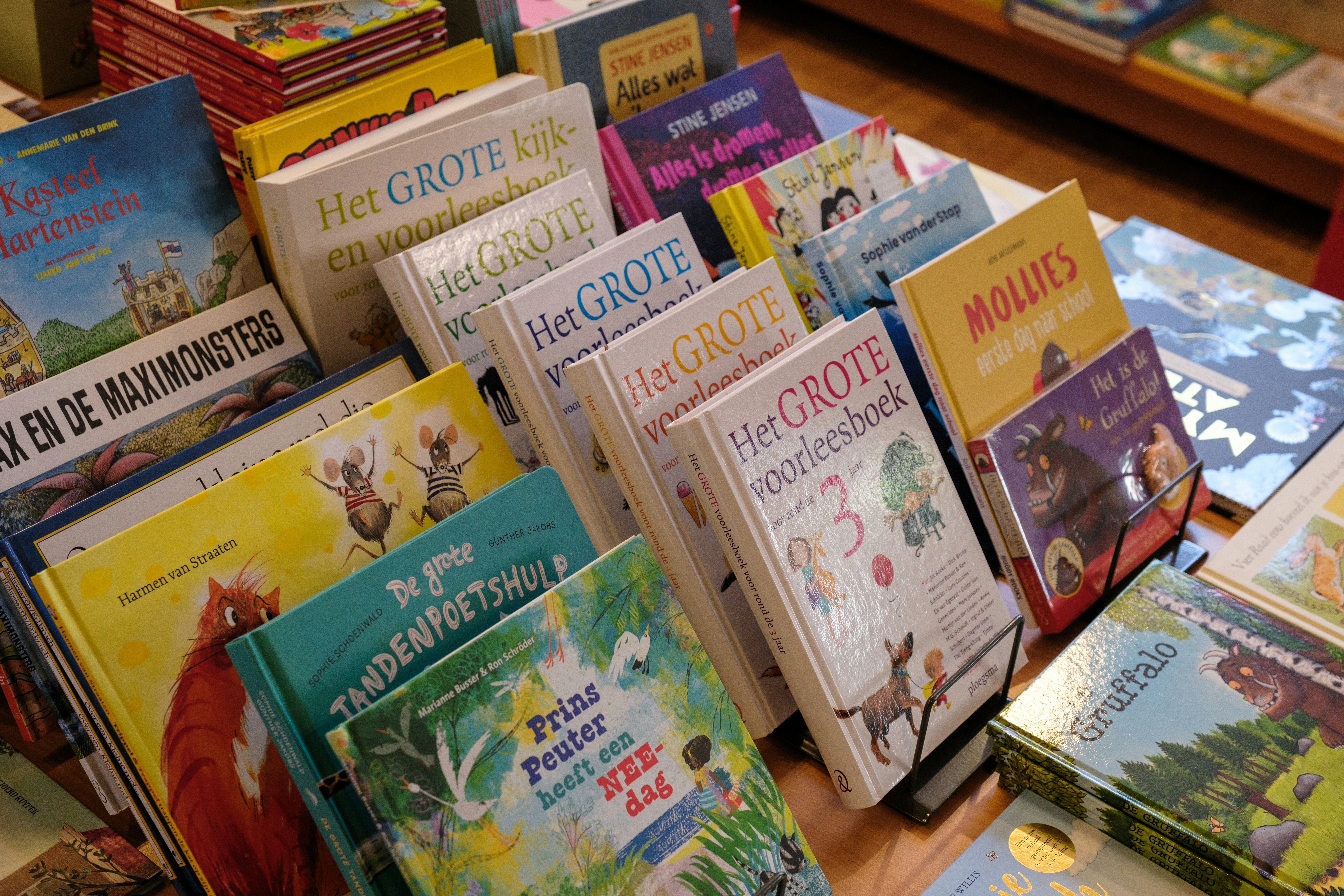
A few weeks ago, however, as I read the kids another classic, I caught myself wondering if we should take it off our shelves. The moral of the story was good. It was about helping others. But the book’s depiction of the older character was problematic. Her cane was not just a cane; it was a “crookedy” cane. She also walked “bent over” and her bones creaked.
I cringed as my eyes saw the words, and the positive message slipped away, replaced with the notions that we should fear ageing and mock the elderly.
While the negative stereotypes offered a chance to talk about treating seniors with respect, the harm of reading it again seemed to overshadow any worthwhile lessons.
Several fairy tales might also find their way into our banned book pile because of how they negatively harbour society’s anxiety about ageing. Oldsters are often evil. They are witches. They are foolish, ugly and jealous. This is not how I want our wee ones to think about seniors.
My concerns are not new. In 1977, American gerontologist Edward Ansello reviewed 656 children’s books and concluded that ageism pervades the stories, with “sad” and “poor” being the two most frequent adjectives used to describe an older character’s personality.
“When older characters are always portrayed as sweet, little or slow and are seldom depicted as capable of self-care or as active or productive, then we must acknowledge that children’s literature with its present focus is a disservice to society,” Ansello wrote.
Censorship is extreme, but parents have a responsibility to shape young children’s values and ideas about older people. “Ageism starts in childhood and is reinforced over time,” said the World Health Organization in its global report on the social prejudice. “From an early age, children pick up cues from those around them about their culture’s stereotypes and prejudices, which are soon internalized.”
My experience the other week got me thinking about the importance of having these conversations early and browsing for children’s books that promote respectful attitudes about ageing and the changes that come with growing old.
Older characters don’t need to be parachuting from airplanes or running marathons. Children should see characters with canes and curved backs, just not in a mocking way.
Stories about dementia can also help build empathy and respect from an early age, by exploring the disease and the changes that grandparents and others might be experiencing.
Not everyone agrees about how to handle problematic books. Some suggest parents have critical conversations with their children. Others want the stories removed from circulation.
To end ageism, the answer is probably a bit of both.

Heather Campbell Pope is founder of Dementia Justice Canada, a small nonprofit dedicated to safeguarding the rights and dignity of people with dementia.